

Zoning & entitlement timeline
Entitlements — zoning approvals, site plan reviews, PD amendments — often consume more time than the building permit itself. A DFW site-plan approval can take 3–9 months. Start entitlement before finalizing design.
What We Build
Site to shell to tenant finish under one accountable team. Entitlements, civil, structure, and build-out — design-build delivery for North Texas.
Pereff builds this vertical as a Real Estate Developer — for projects we develop ourselves or build-to-suit; our primary GC specialty is dental, medical, and veterinary.
The real complexity
The sticker price on a ground-up building is the construction cost. What that number doesn’t capture: entitlement time and the carry cost of land sitting idle, civil scope driven by soils and drainage, utility extension fees and timelines set by the utility district, and the soft costs (design, permits, testing, developer fee) that run 15–30% on top of hard construction. Getting to a real project budget requires all of these, not just the per-SF construction figure. [Pereff Industry KB — ground-up]
Design-build delivery is uniquely suited to ground-up projects because the GC’s cost discipline is embedded in the design from the first schematic. When the architect and the builder are on the same team, structural system selection, envelope specification, and MEP system choices are made with real cost consciousness — not optimized on paper and value-engineered after documents are 90% complete. [Pereff Industry KB — ground-up]
From entitlement process to structural system — the scope decisions that determine whether a ground-up project is delivered on time and on budget.
Entitlements — zoning approvals, site plan reviews, PD amendments — often consume more time than the building permit itself. A DFW site-plan approval can take 3–9 months. Start entitlement before finalizing design.
Full civil: grading plans, drainage design, detention, utility coordination, and paving. A flat, pad-ready site is fundamentally different from raw land requiring significant cut/fill and underground detention.
Steel frame, tilt-wall, CMU, or wood-frame — meaningfully different costs, timelines, and long-term performance. The right choice depends on building type, span requirements, and fire-rating. Made in schematic design, this can swing project cost 10–25%.
Design-build allows construction to begin before design is complete — civil and foundation can proceed while upper-floor documents finish. The GC's cost discipline is built into the design from the first schematic.
Submitting civil and foundation permits separately from the full building permit lets sitework and foundation begin weeks early — compressing the overall schedule by 4–8 weeks on a typical suburban DFW project.
Ground-up commercial spans the widest cost range of any project type — it includes everything from site to shell to finish. Anchors are shell and construction costs only — land, entitlements, soft costs, and FF&E are additional.
Most DFW commercial ground-up (shell + TI)
$190–$340/SF
Broad range covering office, medical, retail, flex. Excludes land, soft costs, and FF&E. [DFW cost benchmarks, 2026]
Office core & shell (Class A)
$240–$300/SF
Shell only — structural frame, envelope, roof, core MEP. TI typically an additional $80–$165/SF by finish tier. [DFW cost benchmarks, 2026]
Medical office building (MOB) shell
$250–$350/SF
MOB shell with infrastructure for healthcare TI. Building systems are more robust than standard office shell. [DFW cost benchmarks, 2026]
Total build duration (most project types)
8–14 month build
Typical total project duration from construction start to CO. Entitlement and design-permit phases often the longest legs. [Pereff Industry KB — timelines]
Entitlement timeline & carry cost
Entitlements don't cost money directly — but time in commercial development costs money through land carry, construction loan interest, and delayed revenue. A 6-month entitlement delay costs those months in carry from the project return.
Civil, soils & utility extension
A flat, pad-ready, utilities-at-the-boundary site might see $10–$20/SF in civil costs. A raw site with drainage challenges, poor soils, and utility extensions could see $30–$60/SF or more. Geotech reports are not optional.
Structural system: steel vs. tilt-wall vs. CMU
Steel is flexible for complex programs and long spans; tilt-wall is faster and efficient for repetitive programs; CMU suits certain mid-rise or fire-rated applications. Right choice is program-driven — can swing 10–25% of structural budget.
Shell specification & TI scope
Shell spec (mechanical, electrical, structural capacity) and TI finish tier together determine market positioning and total project cost. A lightly spec'd shell may require more expensive TI to achieve Class A finish.
These ranges are directional, researched May 2026. Land cost, entitlement fees, design fees, permits, testing, financing carry, developer fee, and FF&E are not included in the per-SF figures. A full development budget typically runs 1.3–1.6× the construction hard cost when all soft costs and land are included. The real number comes from Pereff preconstruction. [DFW cost benchmarks, 2026]
Schedule reality
The construction phase is often the most predictable. Entitlements and permitting are where schedule risk concentrates — and where experienced preconstruction compresses the timeline. [Pereff Industry KB — timelines]
If the site is already entitled and zoned for your use, this phase is minimal. If rezoning is required, plan for 3–12+ months — this is why due diligence before site acquisition is non-negotiable.
Full civil, architectural, structural, MEP, and fire protection drawings take time. Design-build allows civil and foundation permits to be submitted while upper-floor documents are in progress — compressing the schedule by 4–8 weeks. [permitting timeline data, 2026]
Simpler retail and office ground-up projects land toward the lower end; medical office buildings and complex mixed-use toward the higher end.
Start entitlements before design is complete.
Waiting for final construction documents before submitting for site-plan approval adds 3–6 months. Running entitlement and design in parallel is the most reliable way to compress a ground-up project schedule.
Before we quote
Ground-up feasibility starts with site status and building type. These five questions — plus your target date — frame the entire project.
Raw land, entitled pad, or existing pad with utilities? Site status determines how much of the total timeline is controllable and where the biggest unknowns live.
Zoning in place for your use, or does it require rezoning or a PD amendment? An entitled site moves to design and permit immediately. An unentitled site requires a city process that may take 3–12+ months.
Office, medical office, retail, mixed-use, or another use? Building type determines structural requirements, MEP density, shell spec, and the TI scope that follows.
Gross building area, number of stories, and — for multi-tenant buildings — typical floor plate size. Floor plate size affects structural bay spacing, core layout, and tenant efficiency.
Owner-occupied allows Pereff to design around your specific operational requirements from day one. Speculative buildings are designed for the broadest tenant appeal — floor plate efficiency and parking ratios are the primary decisions.
Working backward from that date — through CO, construction, permit, design, and entitlement — tells us whether the timeline is achievable and what must run in parallel.
Our work
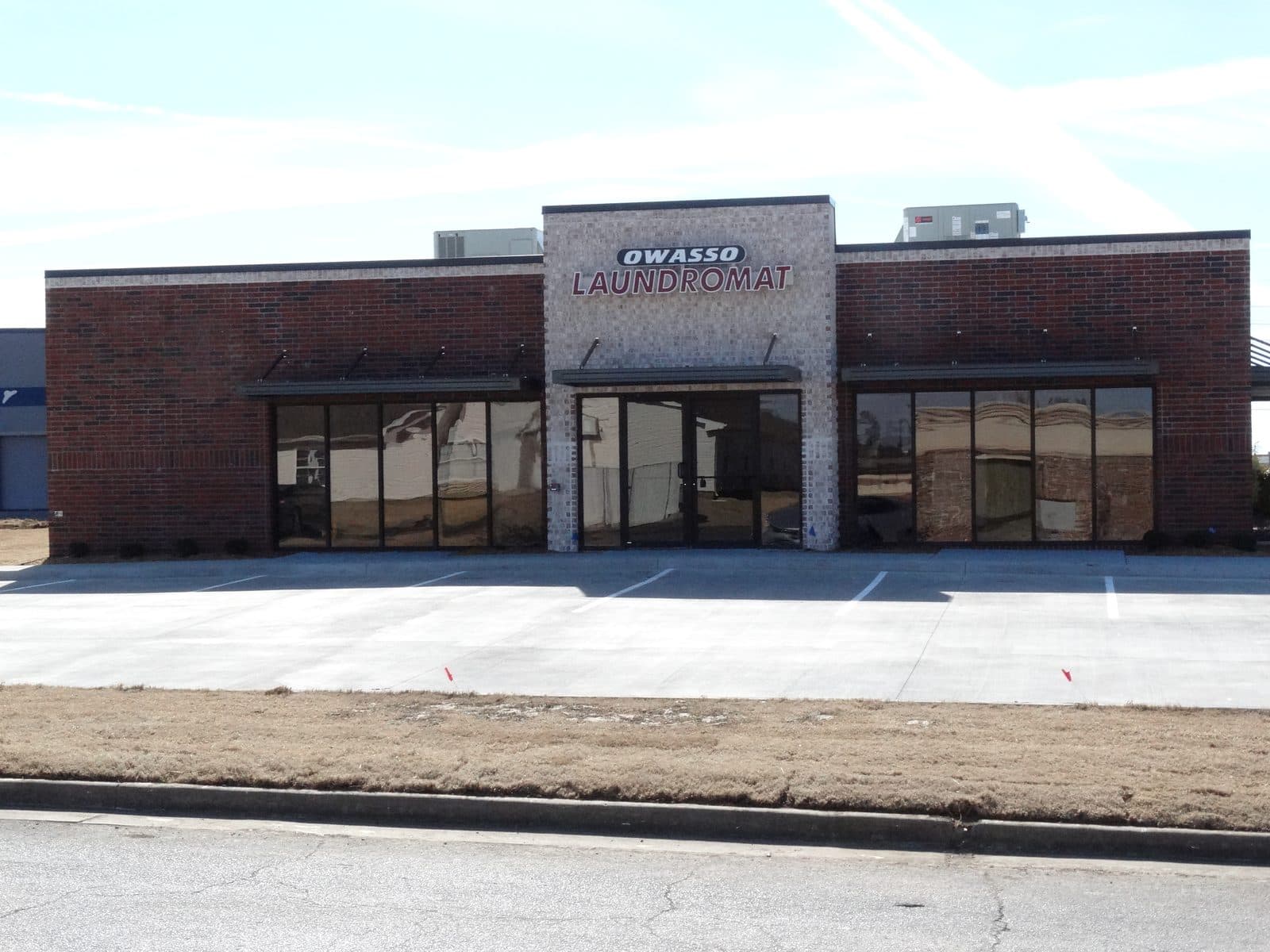
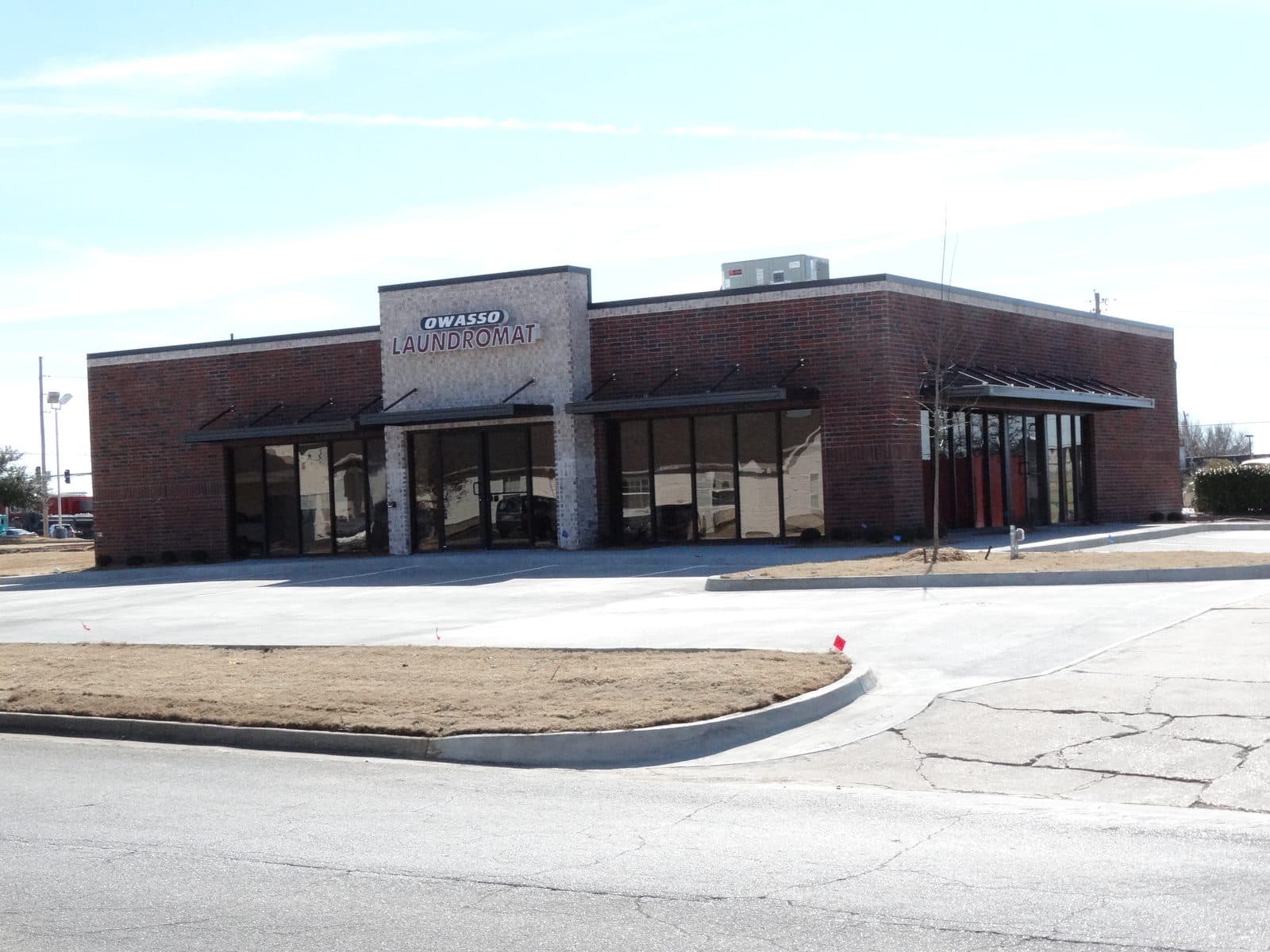
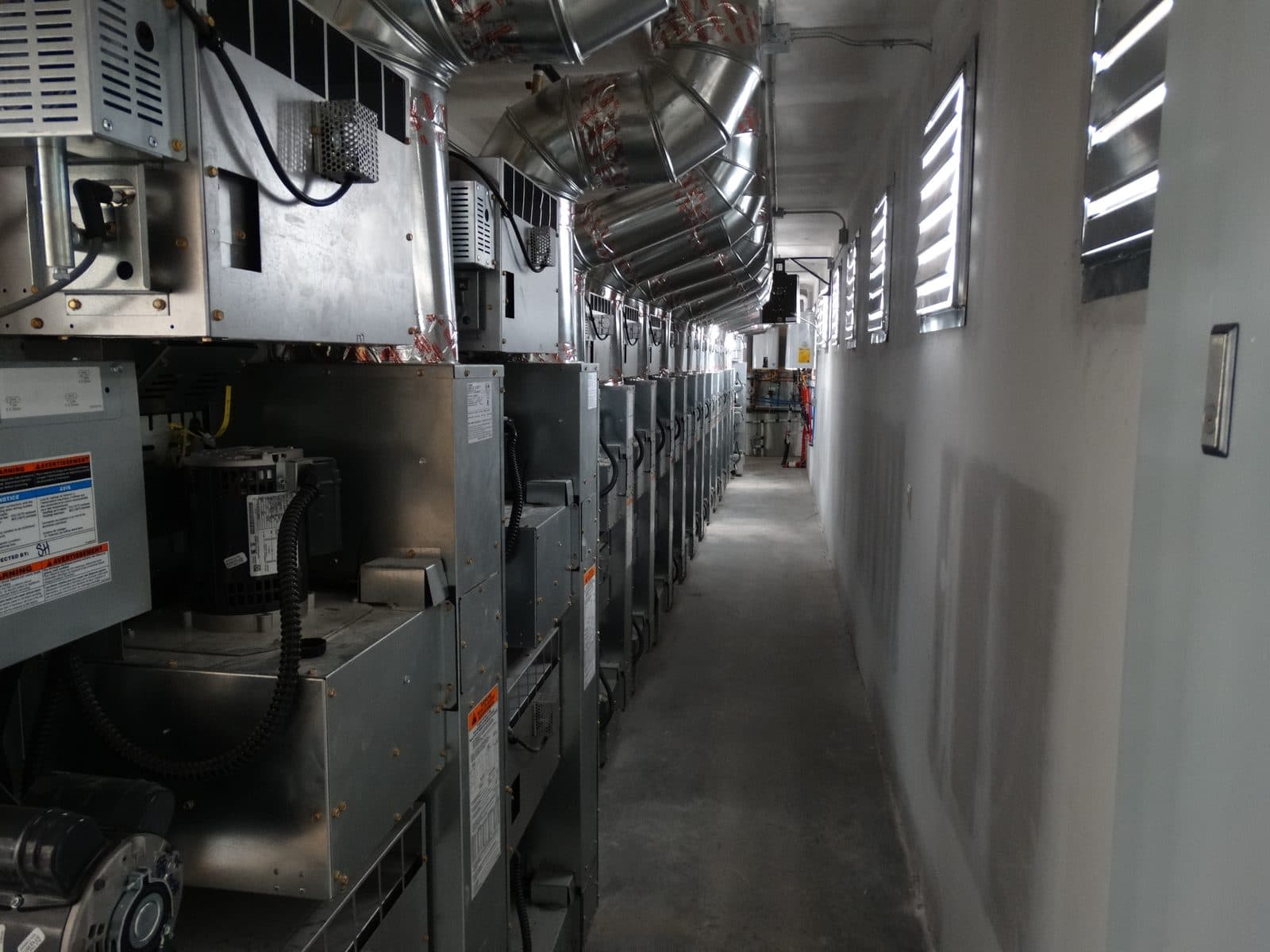
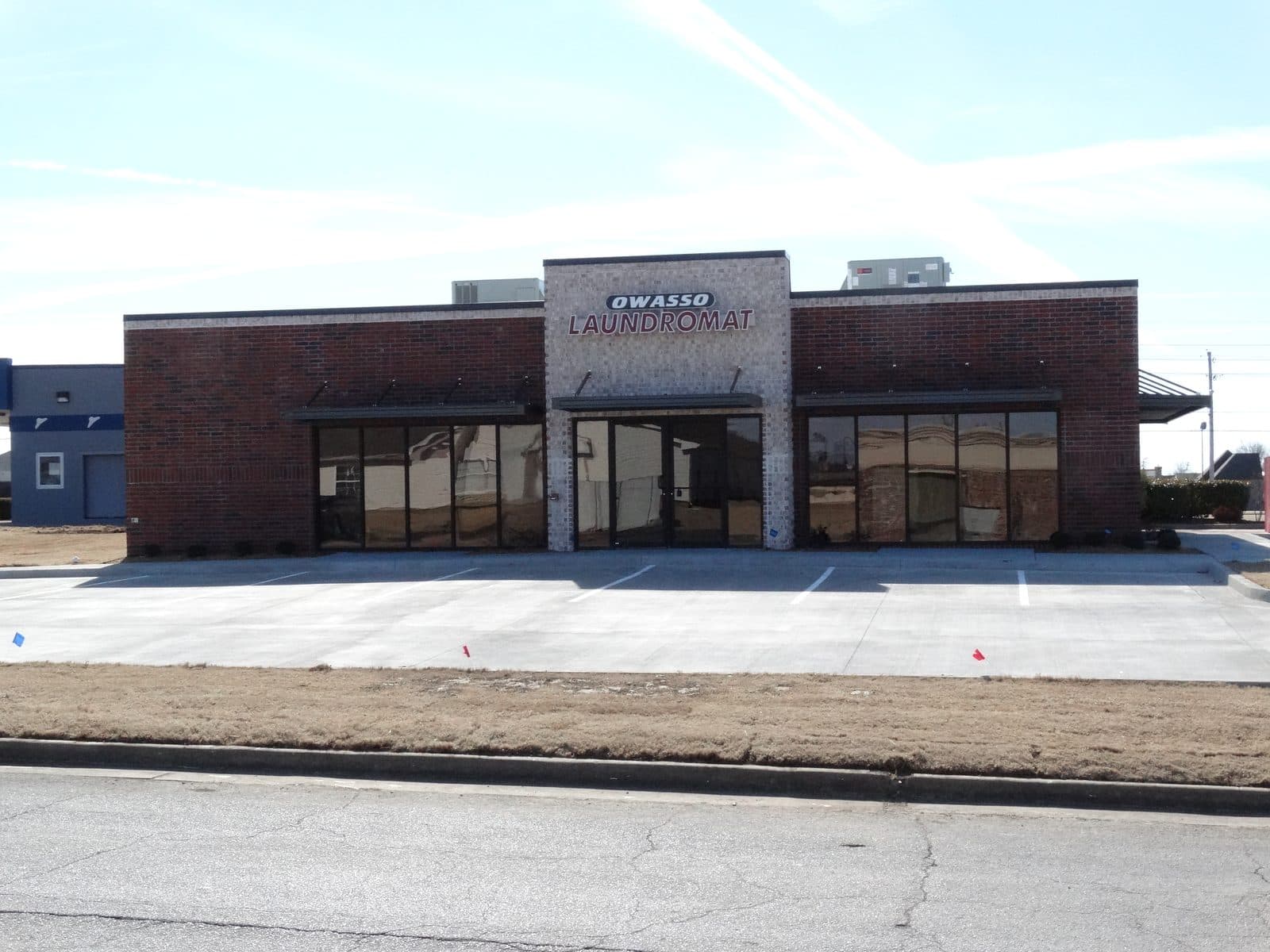
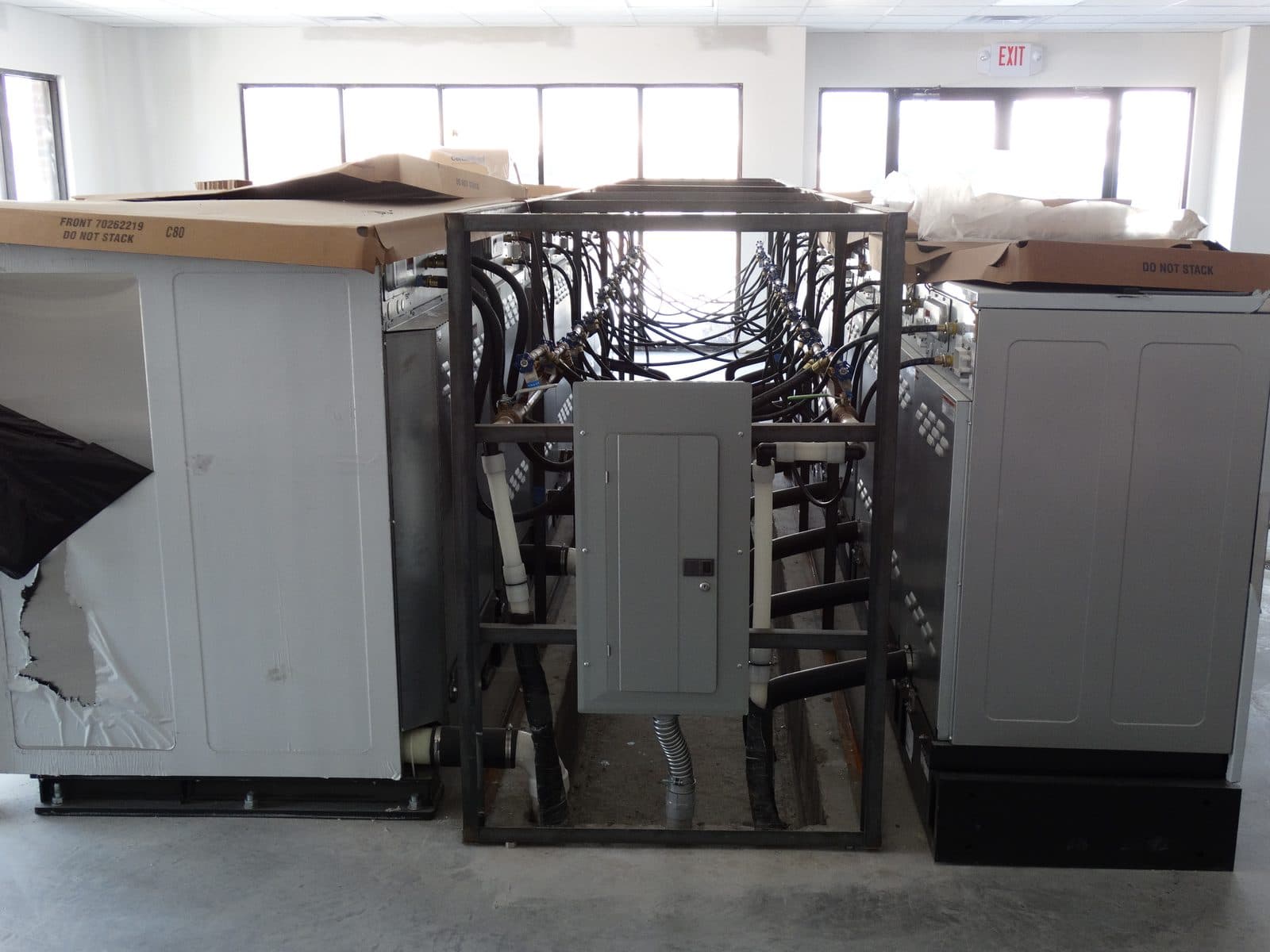
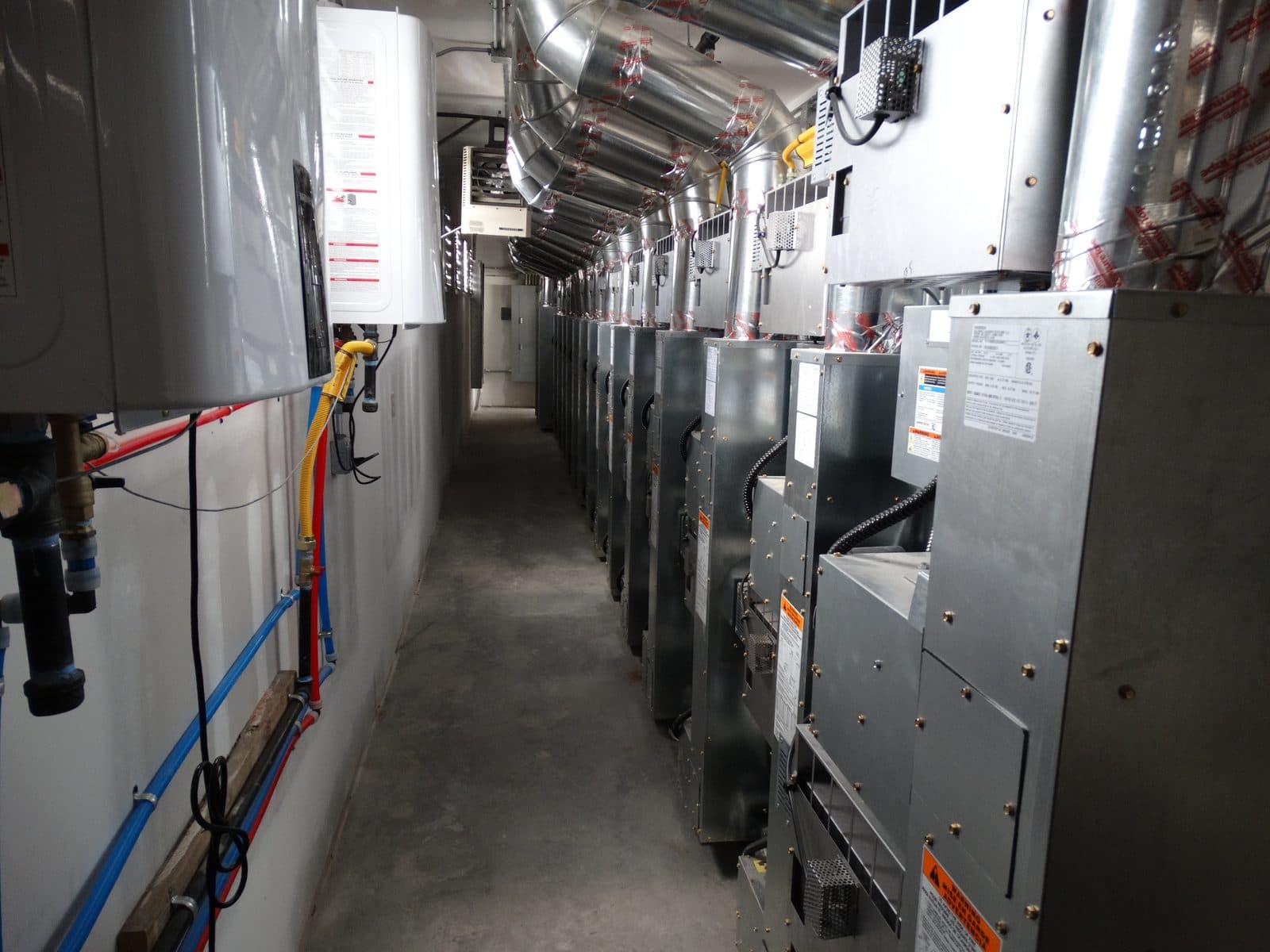
Real photography from Pereff ground-up work, including the Washateria project.
Get a directional cost and timeline, a breakdown of entitlement risk, or an explanation of how design-build helps — grounded in real DFW data, cited.
Answers grounded in Pereff’s project data, DFW competitor intelligence, and current commercial construction benchmarks. Every answer cited.
Directional, May 2026: most DFW commercial ground-up (shell plus tenant finish) runs $190–$340/SF. Office core-and-shell runs $240–$300/SF, with TI typically an additional $80–$165/SF by finish tier; a medical office building (MOB) shell runs $250–$350/SF. These figures exclude land, entitlement fees, design and soft costs, financing carry, and FF&E — a full development budget typically runs 1.3–1.6x the construction hard cost once land and soft costs are added. These are directional planning ranges subject to final preconstruction review. [DFW cost benchmarks, 2026]
Construction typically runs 8–14 months from site work to certificate of occupancy — simpler retail and office toward the low end, medical office buildings and complex mixed-use toward the high end. But total time also includes zoning and entitlements (3–12+ months if rezoning is required) and design and permitting (3–6 months). Entitlements are usually the longest leg, which is why due diligence before site acquisition is non-negotiable. [Pereff Industry KB — timelines]
Design-build delivery is uniquely suited to ground-up work because the GC's cost discipline is embedded in the design from the first schematic — structural system, envelope, and MEP choices are made with real cost consciousness rather than value-engineered after documents are 90% complete. Pereff also phases permitting (submitting civil and foundation permits separately from the full building permit) so sitework and foundation can start weeks early, compressing a typical suburban DFW schedule by 4–8 weeks.
Pereff is not a lender. Pereff facilitates bank relationships as a value-add service based on the owner's financials and project viability; eligibility and final terms are bank-determined and project-dependent. Because ground-up budgets carry significant land and soft costs alongside construction, Pereff models the full development budget — not just per-SF construction — so the financing conversation reflects the real total project cost.
A ground-up commercial project generally needs zoning that permits the use (or a rezoning / PD amendment), site-plan approval, civil permits (grading, drainage, detention, paving, utility extension), and a building permit covering structural, MEP, and fire protection — with shell and tenant finish often permitted as separate scopes. A DFW site-plan approval can take 3–9 months. Pereff runs entitlement and design in parallel and phases permits to keep the schedule moving. [permitting timeline data, 2026]
The earlier Pereff is involved — ideally before site acquisition — the more preconstruction can reduce entitlement risk, control civil unknowns, and deliver a buildable budget.