
Skip to content

What We Build

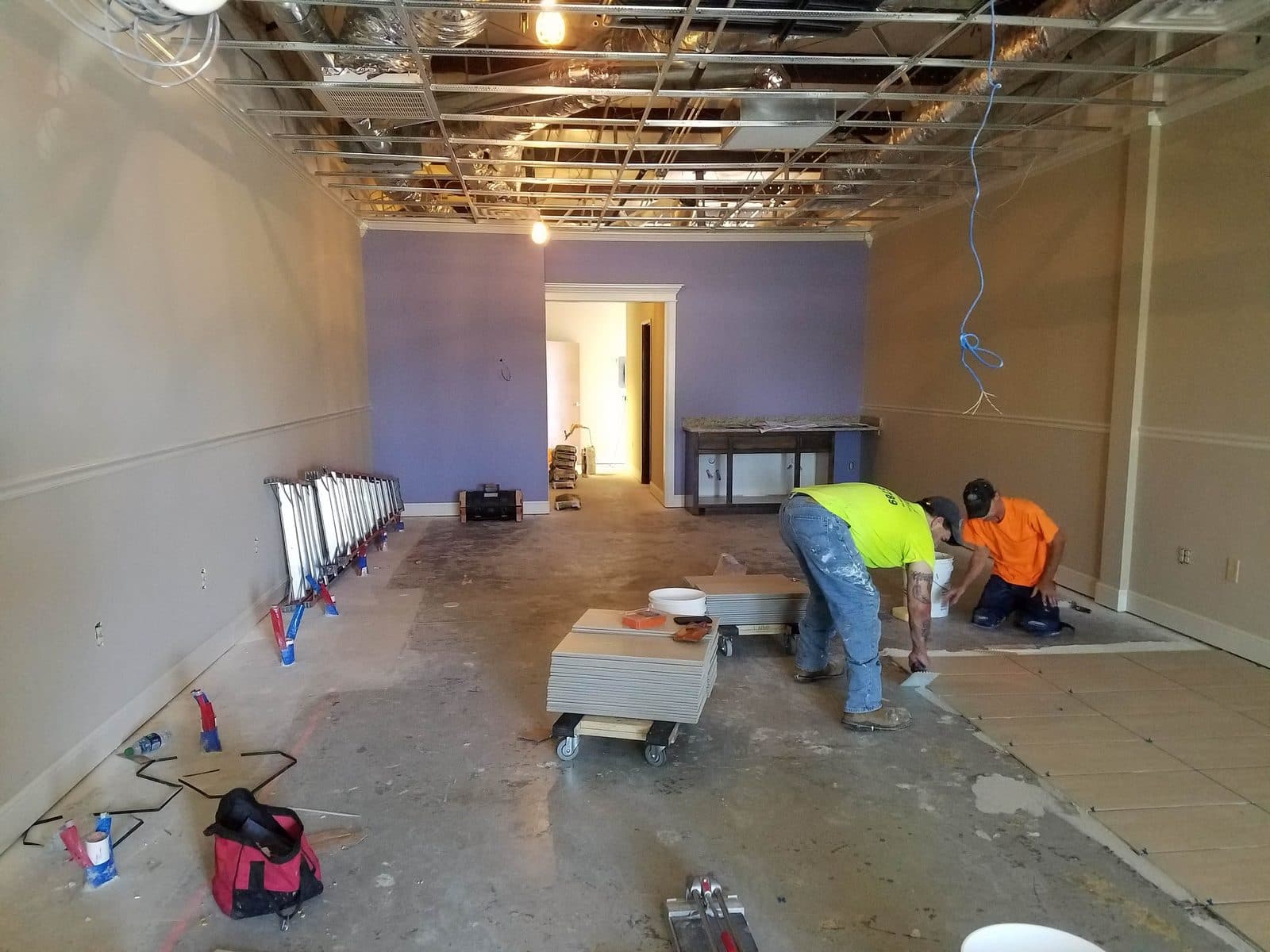
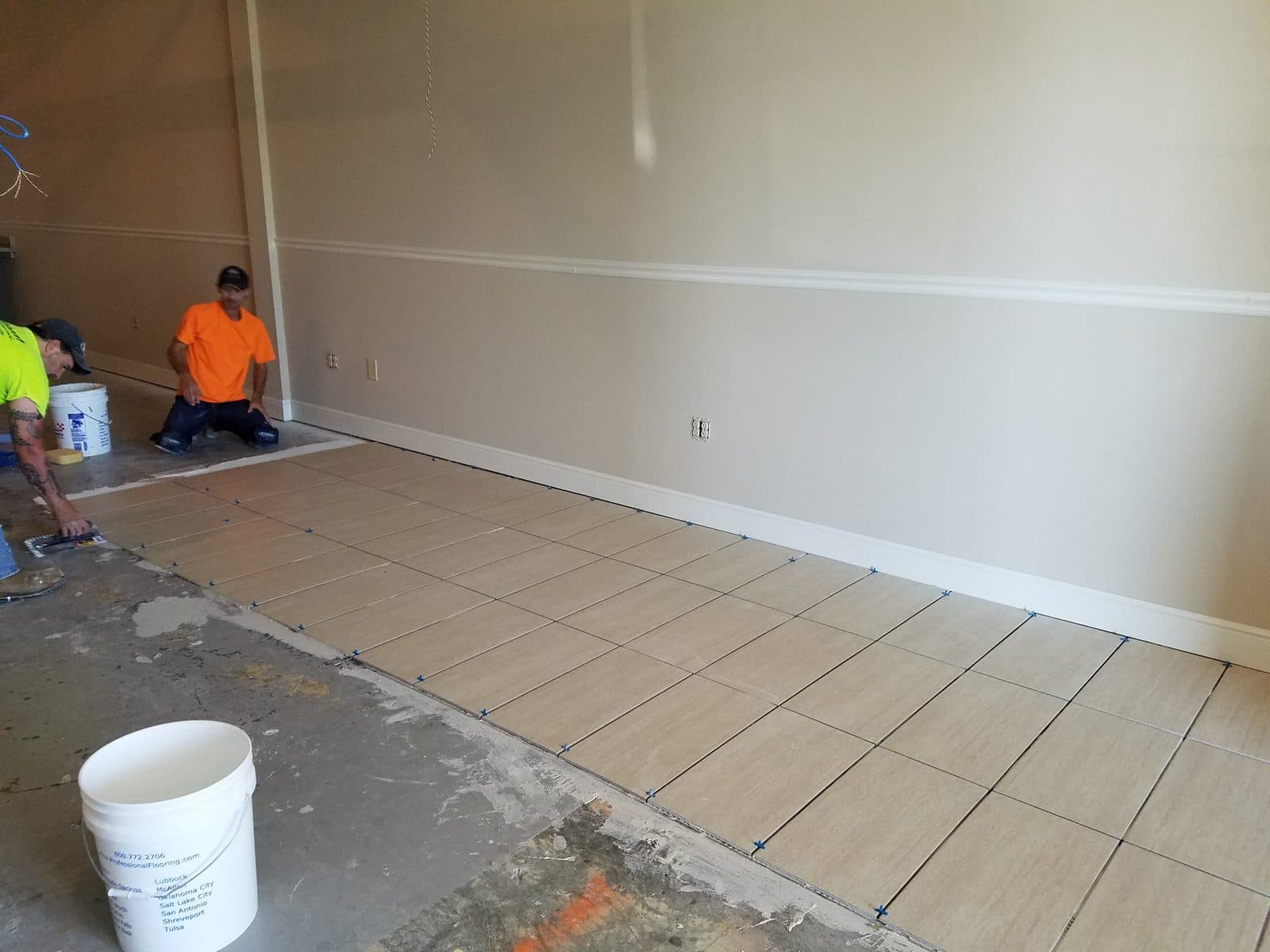
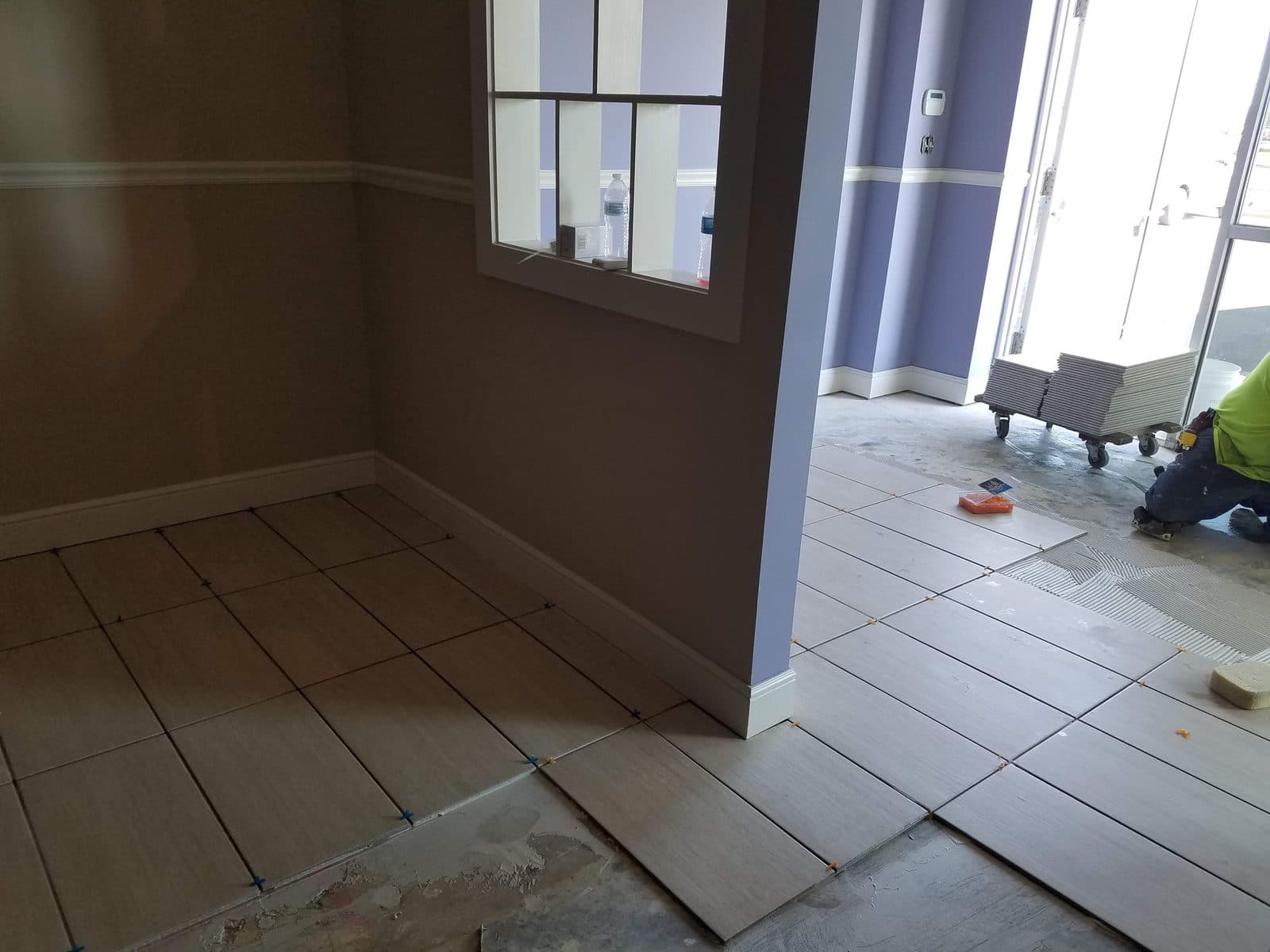
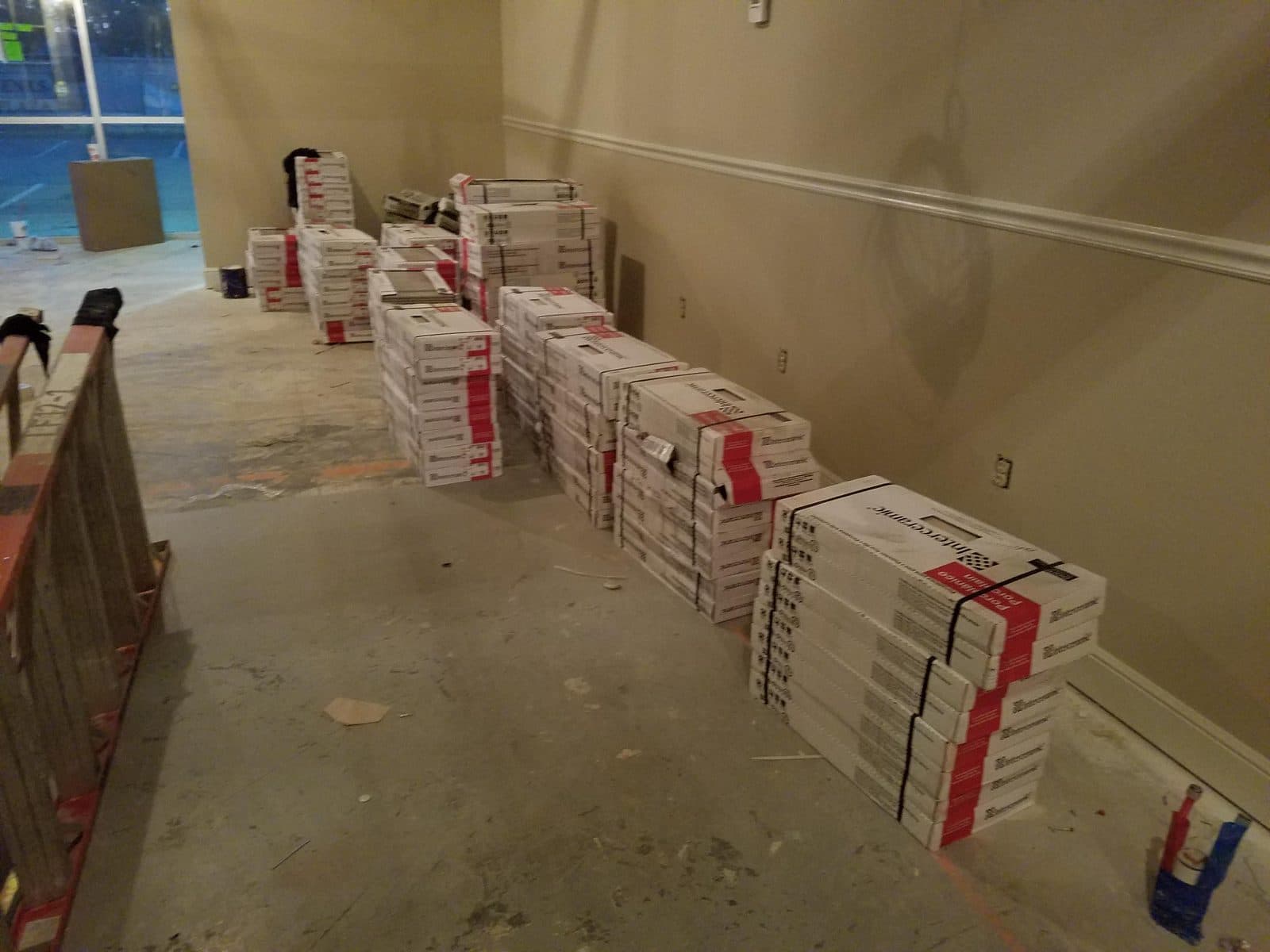
Office & Tenant Finish.

Finish level, headcount density, and landlord coordination drive the number. Standard professional to Class A — built across North Texas leased space.

Office TI $75–$165+/SF by finish tier (directional, May 2026)12,000 SF Plano office typically $1.2M–$1.6M3–6 month build

Pereff builds this vertical as a Real Estate Developer — for projects we develop ourselves or build-to-suit; our primary GC specialty is dental, medical, and veterinary.

The real complexity

Week-one finish decisions determine 80% of the number.

Office TI looks simpler than medical or restaurant construction — but the most common budget surprise isn’t a hidden trade requirement, it’s a finish decision made late. The gap between “standard professional” and “Class A with glass fronts and custom millwork” is $35–$60/SF. On a 15,000 SF floor, that’s $525K–$900K in swing. Setting the finish level early — and holding it — is the preconstruction discipline that keeps office TI on budget. [Pereff Industry KB — verticals]

The second under-estimated variable is HVAC zoning for density. Open-plan offices at high occupancy generate cooling loads that a standard landlord HVAC stub-out is not sized for. Under-zoned HVAC is the most common complaint in leased office space — and the most expensive to remedy after ceilings are installed. Pereff models occupancy loads in preconstruction, before the MEP engineer starts drawings. [Pereff Industry KB — verticals]

What an office tenant finish actually requires.

Scope decisions that affect schedule, cost, and long-term usability — resolved before design development, not after.

Demising walls & partition systems

How the space is divided determines HVAC zones, lighting circuits, data distribution, and acoustics. Open-plan, hybrid, and closed-office configurations each carry different framing costs — resolve in preconstruction to avoid costly mid-project re-sequencing.
HVAC zoning for occupancy density

Open-plan at 100 SF/person generates very different cooling loads than a law firm at 300 SF/person. Under-zoned HVAC is the most common office TI complaint — and the most expensive to fix after ceilings are closed.

Data, AV & structured cabling

Modern office TI requires coordinated Cat6A or fiber cabling, AV for conference and huddle spaces, access control, and wireless infrastructure — all scoped before walls close.

Conference & huddle room build-outs

Glass-fronted conference rooms with integrated AV, acoustic wall treatments, and dedicated HVAC are standard Class A expectations. Each room is a subproject driven by headcount and meeting culture — not square footage.

Landlord work-letter & TI allowance gap

DFW office TI allowances range ~$10–$100/SF. The gap between the allowance and actual build cost is your out-of-pocket. Pereff reviews the work-letter before any estimate, so the number reflects reality.

Directional figures — May 2026 — not a quote

What it actually costs to build.

Office TI ranges from functional open-plan to high-end Class A. Finish tier and AV scope move the number fast. Anchors grounded in DFW market data, May 2026.

Anchor figures — directional, May 2026

  • Basic open-plan TI

    $75–$95/SF

    Minimal partitions, standard ceiling and lighting, basic MEP zoning. Appropriate for back-office or warehouse-adjacent uses.

  • Standard professional office

    $100–$135/SF

    Mix of open and enclosed offices, conference rooms, standard AV, competent finishes. Most common office TI in DFW suburban markets.

  • High-end / Class A (law firm, executive suite)

    $135–$165+/SF

    Custom millwork, premium stone and tile, glass fronts throughout, integrated AV, feature lighting.

  • 12,000 SF standard office in Plano

    $1.2M–$1.6M all-in

    Standard professional finish, ~$100–$135/SF. FF&E, furniture, and telecom budgeted separately.

The cost drivers that move your number most

  1. 1

    Finish level & glass partition systems

    The gap between standard and high-end finishes is $35–$60/SF and wider. Glass-fronted offices add $100–$250/LF of glazing — on a 20-room layout, that's a meaningful line item.

  2. 2

    MEP density & AV scope

    High-density open-plan offices and data-intensive AV packages (video walls, automated shades) increase mechanical and electrical scope significantly above a basic build.

  3. 3

    Base build-out condition

    Vanilla shell costs more to finish than a warm shell with ceilings and HVAC stubbed in. Renovating a prior TI typically adds $10–$25/SF in demo and reconfiguration.

These ranges are directional, researched May 2026. FF&E, furniture, IT infrastructure, and telecom are budgeted separately — typically adding $20–$60/SF or more. The real number comes from Pereff preconstruction. [DFW cost benchmarks, 2026]

Schedule reality

Total time = design + permit + build.

A 4-month build takes 7–9 months from lease execution once design, permit, and long-lead procurement are counted. [Pereff Industry KB — timelines]

Design3–6 weeks typical

Office TI design is faster than medical — but only if finish decisions are made early. Scope changes after design development restart the coordination cycle and delay permit submittal.

Permitting3–8 weeks (suburban DFW)

Plano, Frisco, Allen, McKinney, and Richardson typically ~3–8 weeks. Dallas proper can run ~6–12 weeks. Submitting complete, code-compliant drawings the first time is the single biggest schedule lever. [permitting timeline data, 2026]

Construction3–6 months typical TI

Complex AV packages, extensive millwork, and high conference-room counts push toward the longer end. Furniture delivery and IT installation happen after CO — budget a move-in period.

The TI allowance gap is the real budget.

DFW office TI allowances range roughly $10–$100/SF. If your concept costs $120/SF and the landlord delivers $60/SF, the $60/SF gap is your out-of-pocket before FF&E and furniture. Pereff models this in the first preconstruction meeting.

Before we quote

Six questions that define the number.

A directional number is only as good as the inputs. These six questions determine the range for your project.

01

Square footage & headcount

Floor area determines gross cost; headcount per SF determines HVAC zoning load and electrical density. A 10,000 SF space at 80 people is a different mechanical project than at 30 people.

02

Class A, B, or B+ finish

Finish tier is the single biggest cost variable. Standard professional ($100–$135/SF) vs. high-end law-firm or executive suite ($135–$165+/SF) — agree this before design starts.

03

Existing condition

Vanilla shell vs. warm shell vs. renovation of a prior TI — each has different cost and schedule implications. A prior TI that doesn't suit your concept may require demolition adding $10–$25/SF.

04

TI allowance amount

The gap between the landlord's work-letter commitment and actual cost is your out-of-pocket. We need the allowance before giving you a real effective budget.

05

Conference room count & AV scope

Each conference or huddle room is a subproject — AV, data, dedicated HVAC, acoustic treatment, and often specialty glazing. Room count and AV spec materially move the number.

06

Target move-in date

Working backward from your lease commencement or desired move-in date reveals whether the design-permit-build timeline is achievable and where compression is needed.

Pereff AI

Ask Pereff AI about your office project.

Get a directional estimate, a breakdown of what drives office TI cost, or a comparison between finish tiers — grounded in real DFW benchmark data, cited.

Answers grounded in Pereff’s project data, DFW competitor intelligence, and current commercial construction benchmarks. Every answer cited.

Office & tenant finish construction — common questions

How much does an office tenant finish cost in Plano or DFW?

Directional, May 2026: basic open-plan TI runs $75–$95/SF; standard professional office $100–$135/SF; and high-end Class A (law-firm or executive-suite finishes) $135–$165+/SF. As a reference, a 12,000 SF standard professional office in Plano commonly lands $1.2M–$1.6M all-in. FF&E, furniture, IT infrastructure, and telecom are budgeted separately, often adding $20–$60/SF or more. These are directional planning ranges subject to final preconstruction review. [DFW cost benchmarks, 2026]

How long does an office build-out take in DFW?

Construction typically runs 3–6 months for an office TI; complex AV packages, extensive millwork, and high conference-room counts push toward the longer end. Counting design (3–6 weeks) and permitting (3–8 weeks in suburban DFW, longer in Dallas proper), a 4-month build often takes 7–9 months from lease execution. Furniture delivery and IT installation happen after the certificate of occupancy — budget a move-in period. [Pereff Industry KB — timelines]

What makes Pereff different on office tenant finish?

The most common office TI budget surprise isn't a hidden trade — it's a finish decision made late. The gap between standard professional and Class A finishes is $35–$60/SF, which on a 15,000 SF floor is $525K–$900K of swing. Pereff sets and holds the finish level in preconstruction, reviews the landlord work-letter before quoting so the number reflects the real allowance gap, and models occupancy-driven HVAC loads before the MEP engineer starts drawings — the under-zoned-HVAC complaint is the most expensive thing to fix after ceilings close.

Does Pereff help with financing on an office project?

Pereff is not a lender. Pereff facilitates bank relationships as a value-add service based on the client's financials and project viability; eligibility and terms are bank-determined. On office and tenant-finish work, the more relevant economics are usually the landlord's TI allowance and work-letter — Pereff models the gap between the allowance and actual build cost so the effective out-of-pocket budget is clear up front.

What permits does an office tenant finish need in DFW?

An office TI generally needs a commercial building permit covering architectural, mechanical, electrical, and plumbing scope, with ADA and Texas TDLR accessibility review of the path of travel to every primary function area enforced at inspection. Energy-code compliance for lighting controls is also reviewed. DFW suburbs (Plano, Frisco, Allen, McKinney, Richardson) typically review in 3–8 weeks; Dallas proper can run 6–12 weeks. Submitting complete, code-compliant drawings the first time is the biggest schedule lever. [permitting timeline data, 2026]

Building out an office in North Texas?

The earlier Pereff reviews the work-letter and the finish level, the more budget risk we can eliminate. Let’s talk before design starts.